
Dr. James Ko's commitment to excellence shines through his achievements as a Doctor of Dental Surgery, paired with a Master's in Science, both earned from the esteemed University of Toronto. His research has delved into the realm of Biomaterials, leading to a published paper focusing on the interplay between dental implant surfaces and bone. Dr. Ko's patient-centred approach is exceptional, as he invests time in building strong connections with patients, alleviating their concerns, and offering practical strategies to enhance their dental well-being. Embracing a holistic approach, he caters to patients of diverse age groups.
How Much Does a Dental Crown Cost in Ontario?
A dental crown cost in Ontario starts with the Ontario Dental Association fee guide, then varies by material, laboratory work, and any treatment the tooth needs before the crown is made. Canada Life puts the average cost of a dental crown in Canada between $900 and $1,500. That national figure is a planning range. It is not a fee we post for your tooth.
The guide is a reference, not a menu. Dentists set their own fees, and a fee may sit above or below the guide. A suggested fee for a porcelain, ceramic, or polymer glass crown in the examples that insurers print for other provinces does not include the laboratory fee. A core, a post, and a root canal are further lines. They are not folded into the crown.
We follow the Ontario Dental Association fee guide and prepare a written estimate at a free consultation, before the tooth is shaped. You can read that estimate line by line. A single round number, with the material and extras left off, isn't enough to compare with a plan or a crown a friend had done.
Key Takeaways
- A dental crown cost in Ontario is the fee guide, the material, the laboratory, and any work the tooth needs first. A Canadian average of $900 to $1,500 is a planning figure, not the estimate for your tooth.
- The crown fee does not include a core, a post, or a root canal. If those are needed, they appear as their own lines.
- Porcelain, metal, and ceramic are different laboratory jobs. The estimate should name the material, not only the word crown.
- Under the Canadian Dental Care Plan, single-unit crowns of cast metal, porcelain fused to metal, and porcelain or ceramic require preauthorization, and a crown placed only to change appearance is not considered.
- We bill the Canadian Dental Care Plan directly through Sun Life and follow the Ontario Dental Association fee guide. You pay the co-payment and the difference between the plan amount and the fee at the appointment.
- With proper care, a crown can last many years. That span isn't guaranteed, and a replacement later is a new crown, not a free repair of the first one.
Find our Dental Clinic Near You
What Is in a Dental Crown Cost?
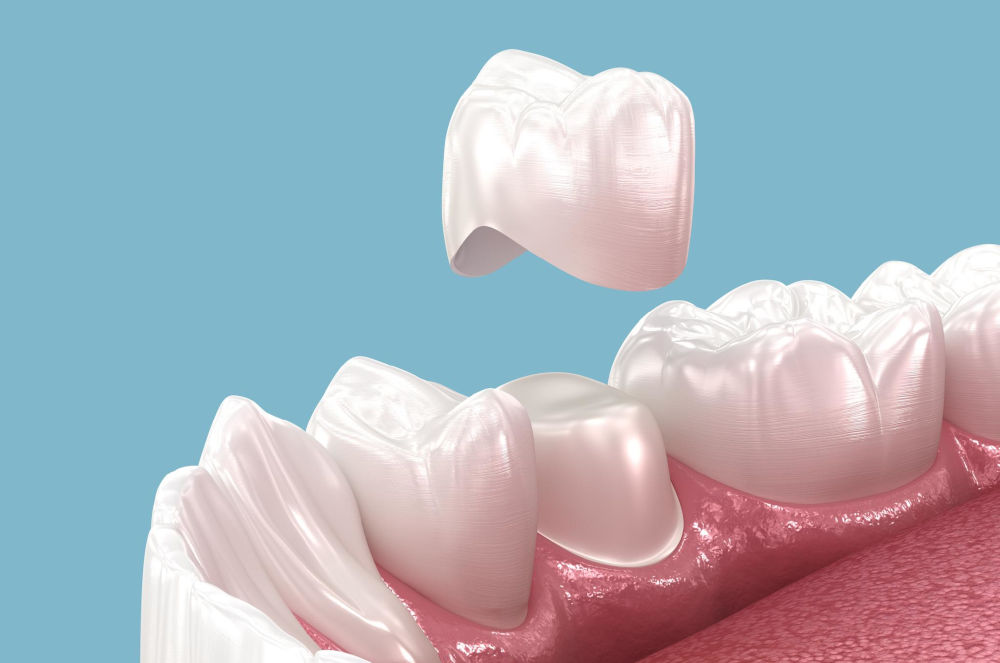
A dental crown cost is the cost of covering one tooth that can no longer hold a filling on its own. The crown is a custom cap over the part of the tooth above the gum. It restores shape so the tooth can chew, and it protects what is left of the natural tooth. The reasons a dentist recommends one, from a fracture to a large filling, are set out in why you need a crown . The fee question is separate. It asks what you are actually paying for once that recommendation is made.
People often treat the crown as a single product with a single price. The bill is a small group of services that ends with a crown cemented on the tooth. The dentist's time to examine, numb, and shape the tooth is one part. The laboratory that builds the crown from a mould or a digital scan is another. Records, such as X-rays, sit beside those. If the tooth is broken down, a core rebuilds the centre so the crown has something to hold. A post may be needed when too little tooth remains above the gum. None of those is optional padding. Each one is there because the tooth required it.
Canada Life's average, between $900 and $1,500 in Canada, is a first scale. It is an average across crowns, not a quote. Many dentists base prices on the provincial fee guide, and the suggested costs in that insurer's examples do not include laboratory fees. Ontario's guide is the same kind of reference. It lists codes and suggested fees. Dentists aren't required to follow it, so a fee may be above or below the Guide . It is not a patient price list on the association's site. The codes are technical. The dentist writing the estimate translates a code into your tooth.
Two teeth can both need a crown and still produce different lists. A molar with a sound base and a simple shade is a shorter estimate than a front tooth that darkened after a root canal and needs a core because the old filling left little structure. Comparing those totals as if they were the same purchase makes a fair fee look arbitrary.
What Changes a Dental Crown Cost in Ontario?
What changes a dental crown cost in Ontario is the tooth in front of the dentist, not a provincial average pasted onto every case. Four things move the estimate more than the rest. The material changes the laboratory work. The laboratory fee itself may sit outside a suggested professional fee. The condition of the tooth adds a core, a post, or a root canal when the crown alone cannot restore it. The plan, if there is one, determines what it will cover, and it can decline a crown whose only purpose is appearance.
Markham Smile Centre, on Raymerville Drive in Markham, follows the Ontario Dental Association fee guide when we write an estimate. We are accepting new patients, and we prepare the estimate at a free consultation, before anyone shapes the tooth. You leave with a list you can take home. If a line is unclear, that is the time to ask. Adding it after the tooth is prepared is how a visit that sounded contained becomes a larger bill.
The Ontario Dental Association notes that location and ordinary overhead sit beside the complexity of the treatment, the time it takes, the materials, the equipment, sterilization, and trained staff. That is why two offices in the same province can differ. A fee you heard from another city is not the fee for your molar. Overhead explains the spread. It does not replace an examination.
When the method of pricing does not give you one number
A posted range fails when the tooth needs more than the crown. The range cannot know whether the nerve is involved, whether a cusp is gone, or whether the gum must be healthy before a margin can be placed. It also fails when the only goal is a colour change on a tooth that is otherwise sound. That request may be reasonable to you and still sit outside what a plan will consider. The limit works both ways. The average does not authorize the treatment, and it does not set the price.
A second limit applies inside the clinic. We do not publish a crown fee, because a fee for a tooth that has not been examined would be a guess. The written estimate is the price. If you are comparing offices, compare estimates that name the same material and the same extra lines. A lower total that omits the core is not a lower crown. It is a shorter list.
How Does the Dental Crown Procedure Change the Bill?
The dental crown procedure is usually two appointments, with laboratory time between them. At the first visit, the tooth is numbed and shaped, the shape is recorded, and a temporary crown protects it. At the second visit, the temporary comes off, the dentist checks the fit and bite, and cements the final crown. Canada Life describes that path, and notes that some dentists make a crown with 3D printing and place it in a single appointment. Both paths are real. They aren't the same line on an estimate because the laboratory step differs.
We offer same-day crowns when the tooth and the material allow it. A same-day crown is still a custom cover. We still shape the tooth and check the bite. What changes is the wait. You don't go home with a temporary while a laboratory builds the final crown. If the shade work cannot finish in one visit, or the tooth needs other treatment first, the estimate should name the two-visit path.
The temporary crown on the two-visit path is not the permanent crown. It holds the space until the final crown is ready. Ask whether a replacement, if the first temporary breaks or comes off, is included. If you are anxious about the length of the visit, sedation options are available, and sedation is its own line, not a hidden part of the crown fee.
"A same-day crown and a laboratory crown are not the same appointment, and they are not the same line on an estimate. The tooth still has to be shaped, the bite still has to be checked, and a core or a post is separate work from the crown itself," says Dr. Robert Eisen, DDS, Markham Smile Centre .
What Does a Porcelain Crown Cost Beside a Zirconia Crown?
Porcelain crown costs and zirconia crown costs are different laboratory lines, and we don't publish either before we examine the tooth. Patients ask about both because both can be tooth-coloured. The clinical job is not identical. Porcelain has a long record as a material that can be shaded to match the adjacent teeth. Zirconia is a strong ceramic that patients often hear about when a molar needs to withstand heavy biting forces without showing metal. The estimate names the material the tooth will actually receive. A search result that ranks one as cheaper does not choose it.
For our porcelain crowns , porcelain is the material we describe as durable and natural in colour, matched to the shape and shade of the surrounding teeth. That description is about the restoration you see. It is not a price. Metal crowns, including gold, remain an option when the tooth is out of the smile and the bite is heavy. Composite is another material patients ask about. Naming it on the estimate helps you know whether you are getting a final crown or a material chosen for a different job.
A front tooth is judged in daylight: length, shade, and the edge against the lower teeth. A molar is judged by the bite. Porcelain fused to metal pairs a metal base with a tooth-coloured surface, and that metal can show later if the gum recedes. All-ceramic materials avoid that edge and require a better shade match on a single front tooth.
| Material on the estimate | What it is usually asked to do | What to ask before you agree |
|---|---|---|
| Porcelain or other ceramic | A tooth-coloured crown, often where the tooth shows | Which tooth, and whether the shade visit is included |
| Porcelain fused to metal | Strength with a tooth-coloured surface | Whether a metal edge could show if the gum changes |
| Zirconia | A strong tooth-coloured crown, often discussed for a heavy bite | Whether this is the material planned, or only one you read about |
| Cast metal, such as gold | A back tooth, where strength matters more than hiding the crown | Whether you are comfortable with metal that can be seen |
| Composite | A tooth-coloured option with different wear | Whether the estimate is for a final crown |
If the estimate says only "crown," ask for the material before the tooth is prepared. The same words on a molar and on a front tooth are not the same laboratory job.
What Does Root Canal and Crown Cost Add?
Root canal and crown cost is two treatments, not one package with a single total. A root canal treats the inside of the tooth. The crown covers the outside. You can need the first without being ready for the second, and you can need the second on a tooth that never had the first. Adding the two numbers you heard from two different people will not produce your estimate. Each one has to be written for this tooth.
Whether that tooth needs the crown is a clinical decision, set out in a crown after a root canal . This part is only the fee. If both are planned, the estimate should show both. A crown line that is silent about the root canal has not included it. Skipping the smaller-looking line does not make the remaining treatment a complete repair.
The Canadian Dental Care Plan will not consider a crown on a tooth that has had a root canal until that tooth has healed, and active decay and gum disease are treated first. Healing is a clinical step. This may mean the crown is not cemented the same day as the root canal. A core is considered by the plan only with an approved crown, and only if the existing restoration is more than 24 months old. A post combined with a core is considered only with that preauthorized crown, and only for clients 18 and older. Those rules are about payment. If the tooth is badly broken down, leaving the post off to shorten the estimate can leave the crown with nothing solid to grip.
The Canadian Dental Care Plan does not cover any crown supported by an implant, or implant treatment itself. A crown on a natural tooth and a crown on an implant are different estimates. If you can't keep the tooth, this fee is no longer the question.
How Long Do Dental Crowns Last?
How long dental crowns last determines whether today's fee is a one-time repair or the first of two. Canada Life notes that with proper care a crown can last up to 15 years before it needs to be replaced, and that most dental insurance will cover a replacement crown after 5 years. Our own explanation of crowns puts the span wider than a single number. Some people get five to seven years. Others keep a crown for decades. Wear, the material, and whether the tooth underneath stays sound are what move someone from one end of that span to the other.
None of those figures is a promise. A crown is not described as permanent, and we do not guarantee a lifespan. Grinding at night, using the crown to open packaging, and skipping visits that would catch a leak at the edge all shorten its life. A night guard, if you grind, is a separate recommendation. It often costs less than replacing a cracked crown, and it is still its own fee. Regular exams catch a small edge problem before the tooth under the crown decays.
Clean the contact beside the crown, and come back if the bite feels high once the numbness wears off. A high spot is an adjustment, not a new crown. An insurer's replacement clock is not a clinical expiry date. A sound crown isn't replaced just because a booklet now considers it new.
What Does Crown Replacement Cost Later?
Crown replacement cost is the cost of a new crown, plus whatever the tooth needs at that later date. It is not a discount on the original, and it is not automatically covered because the first crown was. The tooth may need a new core. The gum may have receded, so the margin has to be redesigned. The bite may have changed. Decay under an old crown can mean the tooth now needs a root canal that the first estimate never included. Each of those is a new line.
Canada Life's note that most dental insurance will cover a replacement after 5 years is a common pattern, not your booklet. Read the frequency and the yearly maximum before you assume the second crown is paid the way the first one was. If the plan uses an older fee guide, the allowed amount can sit below the current fee even when the treatment is approved. That gap belongs on the new estimate.
Under the Canadian Dental Care Plan, frequency rules are stricter than a casual "every five years." The plan limits you to four crowns in any 120 months per person, and one crown in any 96 months on an eligible tooth. A crown repair is a different service, limited to one per tooth every 36 months. Recementing a crown that has come off is also a different service, with the same 36-month limit. Recementing is not a replacement. If the crown is intact and the tooth is sound, gluing it back is the smaller service. If the crown is cracked or the tooth under it has decayed, recementing will not solve it, and the plan will not treat a recement as if it were a new crown.
"When a crown comes off, the first question is whether the crown and the tooth are both still sound. Recementing a crown that fits is a different visit from making a new one, and the estimate should say which of those you are booking," says Dr. Christine Yoo, General Dentist, Markham Smile Centre .
If you still have the crown, bring it. An intact crown can sometimes be recemented. A cracked crown, or a tooth that has broken further, needs a new plan. Do not glue it with a household adhesive. That glue can block a proper seat and can irritate the gum.
What Will a Plan Pay Toward the Crown?
A plan pays toward a crown only when the crown meets that plan's rules, and only up to that plan's fee. We bill the Canadian Dental Care Plan directly through Sun Life. We follow the regular Ontario Dental Association fee guide, not the reduced CDCP fee guide. You are responsible for the co-payment plus the difference between the CDCP amount and the ODA fee, and that amount is due at the appointment. That wording is the whole rule. It is not "covered," and it is "no cost to you."
Single-unit crowns of cast metal, porcelain fused to metal, and porcelain or ceramic require preauthorization under the Canadian Dental Care Plan. The plan considers them for clients 18 and older. Frequency limits are four crowns in any 120 months per person, and one crown in any 96 months on an eligible tooth. Approval means the criteria were met on the records submitted. It is not a promise that the claim will pay the same way on the day of treatment, because eligibility is checked again then. Most people hear "approved" and hear "paid in full." Those are different sentences.
The plan will not consider a crown to improve aesthetics, to treat chipping on a tooth with little or no restoration, or solely to treat sensitivity from a crack, erosion, abrasion, or attrition. It may still consider a crown on a worn or cracked tooth when sensitivity is not the only reason. A chip that bothers you in a photograph can be a real reason to want a crown and still fall outside those rules. You can have the crown. You would pay the fee yourself.
The damage also has to match the plan's definition of an extensively restored tooth. On a front tooth, the loss has to involve the entire biting edge, from one side to the other, and reach both contacts between the teeth. On a back tooth that has had a root canal, the loss has to involve three or more continuous surfaces and either both side ridges or an entire cusp. On a back tooth that has not had a root canal, the loss has to involve five continuous surfaces. The tooth needs enough bone support, and it cannot need other treatment such as crown lengthening before the crown is made. A dentist can still recommend a crown that does not meet those tests. The plan's refusal is about payment.
A workplace plan is a different contract. It may pay a share of major restorative treatment, apply a yearly maximum that includes every service, and wait months after the plan starts before major treatment is eligible. Some base the allowed fee on an older Ontario guide. Send the estimate before the tooth is prepared if you want that share in writing. We can show you the co-payment. We cannot make a booklet pay a code it excludes.
If the co-payment or fee difference is more than you want to pay in one visit, payment plans can spread a known total after the estimate is available. We do not publish interest rates or monthly amounts. A plan is not a reason to start before you know the total.
What the plan does not do
Preauthorization does not freeze the fee. If decay is found once the old filling is removed, the estimate can gain a line, because the tooth changed, not because the office repriced a finished plan. The plan also does not pay for whitening, porcelain veneers, or a smile makeover. A crown that restores a broken tooth is a different request, and it still has to meet the rules above.
How Much Is a Dental Crown Once the Estimate Is Itemized?
Once the extras are listed, the total is the sum of the lines for your tooth. The question sounds like it wants one dollar. The useful answer is a list you can check against a booklet and against what the dentist said in the chair. If a line is missing, ask before the preparation appointment. If a line is present and you were not told why, ask what the dentist saw.
These are the lines worth reading. They are not a price list. We do not print a dollar beside them, because those dollars come from the examination and the fee guide, not from a table that pretends every tooth is the same.
| Line on the written estimate | What that line is | What it is not |
|---|---|---|
| Examination and records | The visit that decides the plan, including X-rays when they are needed | A crown fee |
| Crown, with the material named | Shaping the tooth, the laboratory crown, and cementing it | A core, a post, or a root canal |
| Laboratory fee, if listed apart | The cost of building the crown | Already inside every national average |
| Core or post | Rebuilding a tooth that cannot hold a crown alone | A charge added to every crown |
| Root canal | Treatment of the inside of the tooth | Included in the crown line |
| Temporary crown | Protection between visits on the two-visit path | The permanent crown |
| Plan co-payment and fee difference | What you pay when a plan allows less than the fee | Proof the crown is fully covered |
Take the estimate home if you need a quieter look. A single total cannot be checked against a booklet. If preauthorization is declined, you can still have the crown and pay the clinic directly. That full fee should already be on the list.
The Estimate Is the Only Crown Price That Fits the Tooth
A dental crown in Ontario is priced from the fee guide, the material, the laboratory, and the condition of the tooth. The Canadian average of $900 to $1,500 gives you the scale. It does not tell you your lines. The crown fee leaves out a core, a post, and a root canal. A plan may pay a share after preauthorization, or it may decline a crown that does not meet its rules, including a crown placed only for appearance.
We do not publish a crown price before we examine the tooth, and a range from another city will not match your molar. The written estimate, prepared before we shape the tooth, is the figure you can compare with a booklet. If the tooth needs more once treatment starts, we'll add it as a new line item.
Book a free consultation when you want that list. We will examine the tooth, name the material, and give you a written estimate before we prepare anything. If the total is more than you want to pay in one visit, ask about dental payment plans once the estimate is ready.
Frequently Asked Questions
Are dental crowns worth the money?
A crown is worth the fee when it is what keeps a broken or heavily filled tooth in use. The value is the tooth you still have, not a cosmetic upgrade. A crown placed only to change the colour of a sound tooth is a different decision, and a plan may not pay any of it. The written estimate shows the fee. The examination shows whether the tooth needs the crown.
What is the cheapest crown for a tooth?
We can't name the cheapest crown in dollars before we examine the tooth. The material has to fit the bite and the place in the mouth. A lower line that leaves off a core, or chooses a material the tooth cannot support, isn't a saving. Ask the estimate to name the material and to show what was left off, and compare those lists rather than a single total.
Is it cheaper to have a tooth pulled or get a crown?
An extraction can look smaller on one visit, and it removes the tooth. The gap then needs a plan of its own if you want to chew there, and that later treatment is a different fee. A crown is the cost of keeping a tooth that can still be restored. If the tooth cannot be restored, a crown is the wrong treatment, and the estimate should say so.
What is cheaper, a root canal or a crown?
They are different treatments and are billed as separate lines. A root canal treats the inside of the tooth. A crown covers it. If a tooth needs both, you can't choose between the two fees. Skipping one of them does not make the remaining treatment a complete repair.
How much does a dental crown cost with insurance?
Insurance may pay a share if the crown is major restorative treatment on your plan and you meet the plan's rules. The booklet lists the share, yearly maximum, and any waiting period. If you are on the Canadian Dental Care Plan, you still pay the co-payment and the difference between the plan's amount and the Ontario Dental Association fee, due at the appointment. Send the estimate to the plan before the tooth is prepared if you want that share in writing.
Does the Canadian Dental Care Plan cover a crown placed only to change the colour?
No. The plan will not consider a crown to improve aesthetics. A crown on a broken or extensively restored tooth is a different request, and it still needs preauthorization and has to meet the plan's rules for that tooth. Approval is not the same as the full fee being paid.
Is the laboratory fee part of the crown?
Often it is listed with the crown, and sometimes it is a separate line. Suggested fees in provincial examples do not include the laboratory fee, so a number you saw online may be missing it. The written estimate should show whether the laboratory is inside the crown line or beside it. Ask if you cannot tell.
What if my crown comes off?
Call and bring the crown with you if you still have it. If the crown and the tooth are both sound, recementing may be the solution. If the crown is cracked or the tooth has broken further, you need a new plan: a replacement rather than a repair. Do not glue it back with a household adhesive.


See what our patients are saying:
Everyone here is very friendly and provides excellent care. I received a full exam on my first visit, and everyone took time to answer my questions and ensured I felt comfortable the entire time - exactly what you want when visiting the dentist. I highly recommend Markham Smile Centre for anyone looking for great dental care.

There is an ample parking space before you get into the office. The receptionists welcome us friendly with proper COVID-19 procedures in place. The staff worked with patient very patiently and professionally. My teeth cleaning was done by Ying, she explained every detail to me and I did not feel any pain or uncomfortable at all. Thanks to the best team !
It's been a while since I've been to a dentist but I'm trying to get back on track with health in general. Overall it was great going to Markham Smile Centre! The receptionist (I believe she was Kim) was friendly. The hygienist, Ying, was attentive and gentle during the cleaning; x-ray tech (forgot her name, sorry!) was great too. Dr. Sara Riad explained things with good detail. Looking forward to going back!
I was someone who was nervous and anxious about visiting the dentist, but the team at Markham Smile Centre has made me feel SO comfortable. Kim is so patient and helpful and Dr. Hwang and Rory are both so professional and wonderful. They thoroughly explain the procedure to make you comfortable beforehand and are very gentle. I now look forward to visiting the dentist!
I found this place on a whim when I was looking for a new dentist in Markham. My hygienist ying was super nice and her cleaning was very gentle yet thorough. I saw Dr.Jason and he was very nice and informative in regards to what needs to be done and provided me with all the information I needed to make a choice. Would recommend this place to anyone looking for a new dentist, they’re accepting new patients!!
I have been to many dentists in my life, Dr. Jason is easily the best dentist I have ever been too. He does everything he can to make you comfortable no matter the procedure and is a true professional, as does all the staff at Markham Smile Centre. Truly an amazing dentistry
The clinic was clean and the staff was very polite. I particularly liked the fact that everything was explained to me before going in for the procedure so I knew what to expect at each step. The dental hygienist who did the cleaning for me was also very gentle and took my concerns into consideration. I will definitely recommend them.
Upon arriving to the Markham Smile Centre, my son and I were greeted with a warm welcome by the receptionists. The hygienists and Dentist were very gentle and transparent with what they were doing. The hygienist that worked on my 9 year old son was patient and very friendly with him, which helped ease his nerves. Our overall experience was A+.
Since I was little, I have always hated going to the dentist... Its always uncomfortable and unpleasant. These days, visiting the dentist isn’t so bad! Dr Jason, Rory, and the lovely staff at reception make the experience 100x better. I have had absolutely no issues with the gum graft and cleanings that I’ve gotten done here. Everyone is incredibly friendly and helpful, even when I’m calling in or emailing a hundred questions :). I would highly recommend Markham Smile Centre.
Love this place! All the staffs are friendly and Professional and I mean all, cause I've been to most of their office, Markham , Stouffville, North York, and Maple. Dr. Ko is very professional and patient. Whenever I have questions and concerns he would always reply me . I would say this this dental office take care of you all the way. I would highly recommend everyone to come here for any dental works. =)


