

Dr. James Ko's commitment to excellence shines through his achievements as a Doctor of Dental Surgery, paired with a Master's in Science, both earned from the esteemed University of Toronto. His research has delved into the realm of Biomaterials, leading to a published paper focusing on the interplay between dental implant surfaces and bone. Dr. Ko's patient-centred approach is exceptional, as he invests time in building strong connections with patients, alleviating their concerns, and offering practical strategies to enhance their dental well-being. Embracing a holistic approach, he caters to patients of diverse age groups.
Why Does My Tooth Hurt When I Bite Down or Chew? Causes & Treatment Explained
Tooth pain when biting or chewing is not random; it usually signals a structural issue, inflammation, or infection inside the tooth or surrounding tissues. In many cases, the pain appears only under pressure, which makes it easy to ignore until the condition worsens. The most common causes include cracked teeth, cavities, gum disease, abscesses, and bite misalignment. Early diagnosis is critical, as even mild or intermittent pain can quickly progress into more complex dental problems if left untreated.
Key Takeaways
- Tooth pain when biting or chewing is often linked to pressure-sensitive structures inside the tooth, such as nerves or supporting tissues.
- The type of pain matters: sharp, sudden pain often signals structural damage (like a crack), while dull or lingering discomfort may point to inflammation or infection.
- Common causes include cracked teeth, cavities, gum disease, abscesses, and enamel wear.
- Early diagnosis is critical; untreated bite pain can quickly progress into more serious dental conditions.
Find our Dental Clinic Near You
Why do my teeth hurt when I bite down or chew food?
There’s a moment many patients describe almost identically, where everything feels fine until you bite down on something, and suddenly there’s a sharp, uncomfortable sensation that seems to come out of nowhere. What’s actually happening in that split second? In most cases, this type of discomfort is directly tied to how pressure is distributed across the tooth and its internal structures.
When you chew, your teeth are not just passive tools. They absorb force, distribute it through enamel, dentin, and into the root, where nerves and ligaments respond to even subtle changes. If any part of this system is compromised, pain can occur sometimes only under pressure, which is why the issue might go unnoticed until you eat.
Sensitivity vs sharp pain — why the difference matters
Not all tooth pain feels the same, and that distinction is more important than many people realize. A mild sensitivity when chewing cold or sweet foods often points to enamel wear or exposed dentin. It’s usually manageable and develops gradually. But sharp pain, especially when biting down or releasing pressure, is often a sign of structural damage or infection.
And here’s where it gets interesting. Pain when biting down can mean something different than pain when releasing your bite. The latter is frequently associated with cracks in the tooth, where pressure temporarily stabilizes the fracture until you let go.
How pressure affects the tooth internally
Inside each tooth lies the pulp, a soft tissue containing nerves and blood vessels. Around the root, the periodontal ligament acts like a shock absorber. When you bite, these structures respond instantly. But if there is inflammation, infection, or structural damage, even normal pressure can trigger discomfort.
What’s often overlooked is that the pain you feel might not even originate where you think it does. Referred pain is common in dentistry; a problem in one tooth can feel like it’s coming from another.
Possible causes behind bite-related pain
There isn’t a single explanation for why teeth hurt when chewing, and that’s exactly why proper diagnosis matters. The issue could be:
- A small crack that isn’t visible to the naked eye
- A deep cavity affecting the inner layers of the tooth
- Inflammation in the surrounding gum tissue
- Infection developing near the root
- Gradual enamel wear exposes sensitive layers
As Dr. James C.H. Ko DDS explains, “Pain during biting is often the body’s early warning system. It indicates that the tooth or its supporting structures are no longer responding normally to pressure.”
What’s the takeaway here? Simple: if biting causes pain, your tooth is trying to tell you something, and it’s worth listening.
What are the most common causes of tooth pain when biting down?
Understanding the root cause of bite-related pain requires looking at several conditions that affect different parts of the tooth and surrounding tissues. Each one behaves differently, progresses at a different rate, and requires a specific treatment approach.
Overview of the main causes
Below is a structured comparison of the most common causes of tooth pain when biting down:
| Condition | What Happens | Type of Pain | Progression Speed |
|---|---|---|---|
| Cracked tooth | Structural fracture in the tooth | Sharp pain when biting/releasing | Moderate to fast |
| Cavities | Tooth decay reaching the inner layers | Dull to sharp, increases over time | Gradual |
| Gum disease | Inflammation of the gums and supporting tissues | Pressure sensitivity | Slow to moderate |
| Abscess | Infection near the root | Severe, throbbing pain | Fast |
| Enamel wear | Loss of protective outer layer | Sensitivity to pressure and temperature | Slow |
Cracked tooth, small damage, big consequences
A cracked tooth doesn’t always present obvious symptoms at first. In fact, many patients continue normal eating habits until the crack deepens. The pain typically appears when biting down or releasing pressure, and it may come and go unpredictably.
The challenge? These cracks are often microscopic and require specialized tools or imaging to detect.
Cavities and deep decay
Tooth decay starts at the surface but doesn’t stay there. Once it reaches the dentin or pulp, chewing pressure can irritate the tooth's nerve. This often results in pain that gradually intensifies.
Unlike cracks, cavity-related pain tends to become more consistent rather than intermittent.
Gum disease and supporting structures
When gums become inflamed or infected, the stability of the tooth is affected. Even if the tooth itself is structurally sound, the surrounding tissues may react painfully to pressure.
Patients often describe this as soreness rather than sharp pain, but it can still significantly affect chewing.
Dental abscess — when infection escalates
An abscess is one of the more serious causes. It involves a pocket of infection near the tooth's root, often leading to intense pain, swelling, and sensitivity to pressure.
What makes abscesses particularly concerning is how quickly they can worsen. Pain when biting may be just the beginning.
Enamel wear and sensitivity
Over time, enamel can thin due to grinding, acidic foods, or brushing habits. When this happens, the underlying dentin becomes exposed, making the tooth more sensitive to pressure and temperature.
This type of pain is usually less intense but more widespread across multiple teeth.
Could a cracked tooth be the reason your tooth hurts when you bite?
It’s surprisingly common for a patient to feel pain when chewing but see nothing unusual in the mirror. No visible cavity, no obvious damage. And yet, something clearly isn’t right. In many of these cases, the culprit turns out to be a cracked tooth.
Recognizing the symptoms of a cracked tooth
Cracked teeth don’t always follow a predictable pattern, which makes them tricky to diagnose. However, several signs tend to appear repeatedly:
- Sharp pain when biting down
- Pain when releasing pressure
- Sensitivity to hot or cold
- Discomfort that comes and goes
- Difficulty pinpointing the exact tooth
The intermittent nature of this pain often leads patients to delay seeking care — but that delay can allow the crack to deepen.
Why does pain occur when releasing the bite
Here’s something that confuses many people: why does the tooth hurt more when you stop biting rather than when you start?
The explanation lies in how the crack behaves under pressure. When you bite down, the crack may temporarily compress, reducing irritation. But when you release the pressure, the crack opens and that sudden movement stimulates the nerve inside the tooth.
How dentists diagnose a cracked tooth
Diagnosing a cracked tooth isn’t always straightforward. Standard X-rays may not reveal fine fractures, so dentists rely on a combination of methods:
- Bite tests using specialized tools
- Magnification and lighting
- Transillumination (light passing through the tooth)
- Patient symptom patterns
Studies on dental microfractures suggest that early-stage cracks are often missed without targeted testing methods, reinforcing the importance of clinical expertise during examination.
Dr. Amir Guorgui BSC, DMD, MACSD emphasizes, “Even minor cracks can progress quickly under normal chewing forces. Early intervention often allows us to preserve the tooth without more invasive procedures.”
When to seek professional care
If you notice consistent pain when biting or releasing pressure, it’s not something to monitor indefinitely. Teeth do not heal from structural cracks on their own. Without treatment, the damage can extend deeper into the tooth, potentially requiring root canal therapy or extraction.
What’s the practical takeaway? If your tooth hurts when you bite, even occasionally, it’s worth having it assessed before the problem escalates.

Why does my tooth hurt when I chew, but no cavity is visible?
It’s one of the most frustrating dental experiences; you feel pain when chewing, yet nothing obvious appears in the mirror. No dark spots, no visible holes, no clear explanation. And still, the discomfort persists. So what’s actually going on beneath the surface?
The reality is that not all dental problems are visible. In fact, many of the conditions responsible for chewing pain develop internally or in areas that are difficult to detect without professional tools. This is where patients often underestimate the complexity of tooth structure. What you see is only a small part of the picture.
Hidden decay and internal damage
Not all cavities are easily visible. Some develop between teeth or beneath existing fillings, making them nearly impossible to detect without X-rays. These “hidden” cavities can progress quietly until they reach deeper layers of the tooth.
According to research published by the Canadian Dental Association , interproximal decay (decay between teeth) is frequently missed during visual examinations and requires radiographic imaging for accurate detection. Once decay reaches the dentin or pulp, chewing pressure can trigger noticeable pain.
Nerve irritation without visible damage
Sometimes, the issue isn’t structural; it’s neurological. The pulp inside your tooth can become inflamed due to trauma, repeated stress (like grinding), or even previous dental work.
And here’s the tricky part: inflammation doesn’t always show externally. A tooth may look completely intact while the nerve inside is already reacting to pressure. This often leads to discomfort, specifically when chewing, rather than constant pain.
Hairline cracks and microfractures
Hairline cracks are among the most overlooked causes of chewing pain. These tiny fractures can be invisible to the naked eye and even difficult to detect on standard X-rays.
But under pressure, they behave unpredictably. When you chew, the crack can expand slightly, irritating the inner nerve tissue. Once the pressure is released, the structure shifts again — and that movement alone can trigger pain.
Bite misalignment — the silent contributor
Now, an important point that’s often missed: your bite itself can be the problem.
If your teeth do not align properly, certain teeth may absorb more pressure than they’re designed to handle. Over time, this excessive force can lead to:
- Microdamage within the tooth
- Inflammation of the periodontal ligament
- Increased sensitivity when chewing
Studies in occlusal dynamics suggest that uneven bite forces are a significant contributing factor to unexplained dental pain, particularly in patients without visible decay.
What’s the takeaway?
If your tooth hurts when chewing but looks completely normal, it doesn’t mean that nothing is wrong. It usually means the issue is hidden — either within the tooth, between teeth, or in how your bite distributes pressure.
How does tooth sensitivity differ from pain when biting down?
At first glance, sensitivity and bite pain can feel similar; both are uncomfortable, and both involve your teeth reacting to something. But clinically, they are very different conditions with different causes, implications, and treatment approaches.
Understanding tooth sensitivity
Tooth sensitivity is typically triggered by external stimuli, such as cold air, hot drinks, and sweet foods. It’s often linked to exposed dentin, where microscopic tubules lead directly to the nerve.
When these tubules are exposed, stimuli can travel quickly to the nerve, causing a short, sharp sensation. The key characteristic? The pain disappears almost immediately once the stimulus is removed.
Understanding pain when biting down
Pain when biting is pressure-based. It doesn’t require temperature or chemical triggers, only force. And unlike sensitivity, it often indicates a deeper structural or inflammatory issue.
This type of pain may:
- Occur only when chewing
- Persist briefly after pressure is released
- Feel localized or difficult to pinpoint
Key differences at a glance
| Feature | Tooth Sensitivity | Pain When Biting Down |
|---|---|---|
| Main trigger | Temperature, sweets | Pressure or force |
| Pain duration | Short, immediate | Can linger or recur |
| Common cause | Enamel wear, exposed dentin | Cracks, infection, structural damage |
| Pain type | Sharp but brief | Sharp, dull, or throbbing |
| Number of teeth affected | Often multiple | Usually, one specific tooth |
Why the distinction matters clinically
Understanding the difference is not just academic; it directly affects treatment decisions.
Sensitivity can often be managed with non-invasive approaches like desensitizing toothpaste or fluoride treatments. Bite pain, however, usually requires identifying and treating an underlying condition such as a crack, cavity, or infection.
Research in restorative dentistry highlights that misdiagnosing bite pain as simple sensitivity can delay necessary intervention, allowing the condition to worsen.
A practical way to tell the difference
Here’s a simple way patients often distinguish between the two:
- If cold water triggers pain - likely sensitivity
- If chewing triggers pain 0 likely a structural issue
But — and this is important overlap can occur. That’s why professional evaluation remains essential.
Can gum disease or infection cause pain when biting?
It’s easy to assume that tooth pain always originates inside the tooth itself. But in many cases, the surrounding tissues, gums, ligaments, and bone are actually responsible for the discomfort.
Periodontal disease and pressure sensitivity
Gum disease, or periodontal disease, affects the structures that support your teeth. As inflammation progresses, the tissues around the tooth become more sensitive to pressure.
This can lead to discomfort when chewing, even if the tooth itself is structurally intact.
According to the Canadian Dental Association , advanced periodontal disease can compromise tooth stability, making even normal biting forces feel uncomfortable or painful.
Signs that gums may be the cause
Unlike cracks or cavities, gum-related issues often present with additional symptoms:
- Swelling around the tooth
- Bleeding during brushing or flossing
- Gum recession
- Persistent bad breath
These signs indicate that the problem may lie in the supporting tissues rather than the tooth itself.
Dental abscess and infection
An infection near the tooth's root, known as a dental abscess, is another major cause of pain when biting.
This type of condition develops when bacteria invade the pulp and spread to the surrounding tissues. The result is pressure buildup, which becomes especially painful when chewing.
In the study “Periapical Inflammatory Lesions” (International Endodontic Journal), researchers highlight that pressure sensitivity is one of the earliest and most consistent symptoms of root infection.
Dr. James C.H. Ko DDS explains, “Patients often focus on the tooth itself, but the supporting structures play an equally important role. Inflammation in the gums can significantly alter how pressure is perceived.”
When gum-related pain becomes serious
If left untreated, gum disease and infections can progress beyond discomfort and lead to:
- Tooth mobility
- Bone loss
- Spread of infection
What’s the key takeaway here? Pain when biting isn’t always about the tooth itself; sometimes, it’s the foundation supporting it that needs attention.
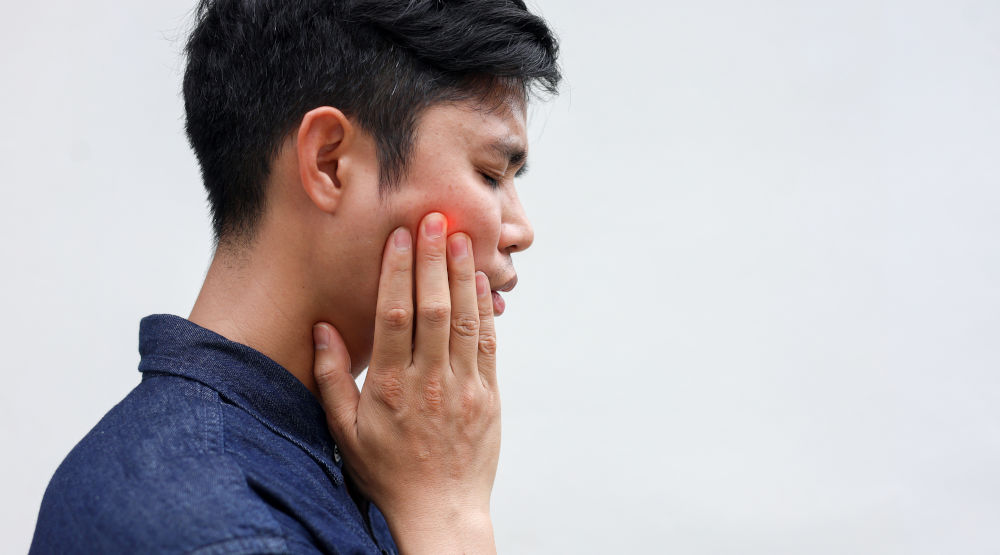
Why does my back tooth hurt with pressure when eating?
Back teeth, molars and premolars carry the heaviest workload in your mouth. Every time you chew, they absorb and distribute significant bite forces, often far greater than what front teeth experience. So when pain appears specifically in a back tooth during eating, it’s rarely random. It’s usually mechanical, structural, or pressure-related.
The role of molars in bite force distribution
Molars are designed with broad, flat surfaces and multiple cusps to grind food efficiently. But that design also means they are exposed to repeated, concentrated pressure. Over time, even small irregularities can become problematic.
Research in dental biomechanics shows that molars can experience forces exceeding 200 pounds per square inch during chewing. When a tooth is healthy, this isn’t an issue. But when there’s underlying damage, even minor, those same forces can trigger pain.
Grinding and accumulated stress
Now, consider what happens if those forces are not just occasional but constant. Patients who grind their teeth (often unknowingly, especially at night) place repeated stress on their molars.
This can lead to:
- Microfractures in enamel and dentin
- Inflammation of the periodontal ligament
- Increased pressure sensitivity during eating
Over time, the tooth becomes less tolerant to normal chewing forces — what once felt natural now causes discomfort.
Bite imbalance and uneven pressure
Not all teeth share the workload equally. If your bite is slightly misaligned, one molar may absorb more force than others.
This imbalance can result in:
- Localized pain when chewing
- Accelerated wear on a specific tooth
- Sensation of “high pressure” on one side
Studies in occlusion and prosthodontics suggest that even minor bite discrepancies can significantly affect how pressure is distributed across molars.
Impacted or partially erupted teeth
Another angle that’s often overlooked is impacted or partially erupted teeth, especially wisdom teeth.
When a tooth does not fully emerge, it can create pressure against neighbouring teeth or surrounding tissues. This may lead to discomfort when chewing, particularly in the back of the mouth.
Patients often describe this as a dull, pressure-like pain rather than sharp sensitivity.
Could teeth grinding or clenching lead to tooth pain when biting?
It might not seem obvious at first, after all, you’re not chewing when you’re asleep. But bruxism (teeth grinding and clenching) is one of the most common hidden causes of tooth pain when biting.
How bruxism affects your teeth
Bruxism applies sustained, excessive force to your teeth, often for hours at a time. Unlike normal chewing, which is brief and controlled, grinding is repetitive and forceful.
According to the American Academy of Sleep Medicine, sleep bruxism can generate forces significantly higher than those used during normal chewing, placing teeth under continuous stress.
Over time, this leads to:
- Enamel wear
- Microcracks and fractures
- Tooth sensitivity and pressure pain
- Jaw muscle fatigue and tension
Step-by-step: how bruxism leads to bite pain
- Repeated grinding or clenching — often during sleep, without awareness
- Enamel begins to wear down — exposing more sensitive layers beneath
- Microdamage develops — small cracks form in the tooth structure
- Inflammation occurs — the surrounding ligaments become irritated
- Pain appears during chewing, especially when pressure is applied
What’s interesting is that patients often notice the pain after the damage has already progressed.
Signs you might be grinding your teeth
Bruxism doesn’t always announce itself clearly, but there are common indicators:
- Morning jaw stiffness or soreness
- Flattened or worn tooth surfaces
- Headaches upon waking
- Increased tooth sensitivity
If these symptoms are present alongside bite pain, grinding becomes a strong suspect.
The role of night guards
One of the most effective ways to manage bruxism is through a custom night guard. These devices create a protective barrier between upper and lower teeth, reducing direct pressure and preventing further wear.
Studies in dental sleep medicine show that properly fitted night guards significantly reduce bruxism-related symptoms, including pressure-induced tooth pain.
Why early intervention matters
Bruxism-related damage is cumulative. The longer it goes unaddressed, the more likely it is to lead to cracks, fractures, or even tooth loss.
The key insight? If your tooth hurts when biting and you suspect grinding, addressing the habit is just as important as treating the tooth itself.
What should you do if your tooth hurts when you put pressure on it?
When tooth pain appears under pressure, the instinct is often to “wait and see.” But in dentistry , waiting can allow minor issues to become complex problems.
So what should you actually do right now, if biting causes discomfort?
Step-by-step: immediate actions to take
-
Avoid chewing on the affected side
This further reduces stress on the tooth and prevents the worsening of potential cracks or inflammation. -
Rinse with warm salt water
A simple saline rinse can help reduce inflammation and keep the area clean. -
Use over-the-counter pain relief if needed
Medications like ibuprofen can help manage discomfort temporarily, but they do not treat the underlying cause. -
Apply a cold compress externally
This can help reduce swelling or inflammation, especially if the pain is accompanied by tenderness. -
Monitor symptoms carefully
Note when the pain occurs, how long it lasts, and whether it’s getting worse — this information is valuable for diagnosis.
What NOT to do
Just as important as what you should do is what you should avoid:
- Don’t ignore persistent pain
- Don’t chew hard foods on the affected tooth
- Don’t rely on temporary relief methods as a long-term solution
When to seek professional care
If pain persists beyond a few days, worsens, or becomes more frequent, it’s time to seek professional evaluation.
Why early action makes a difference
Dental issues rarely resolve on their own, especially those involving structural damage or infection. What begins as mild discomfort when chewing can progress into:
- Severe pain
- Infection
- Tooth fracture
What’s the practical takeaway? Treat pressure-related tooth pain as an early signal, not a minor inconvenience.

When should you see a dentist for tooth pain when biting?
There’s a common hesitation that many patients share, the idea that dental pain should be “watched” before taking action. But with pressure-related tooth pain, timing matters more than people expect. What feels like a mild, occasional discomfort can shift into a more serious condition if the underlying cause is left untreated.
Key red flags you should not ignore
Some symptoms clearly indicate that a professional evaluation is necessary. If any of the following are present, delaying care can increase the risk of complications:
- Persistent pain that does not improve after a few days
- Swelling in the gums, face, or jaw
- Fever or general discomfort, suggesting infection
- Pain that worsens over time rather than stabilizing
- Difficulty chewing or opening the mouth
These signs often point to infection, structural damage, or inflammation that requires clinical treatment.
Why early diagnosis matters
Dental conditions rarely remain static. A small crack can deepen, a minor infection can spread, and inflammation can intensify. According to clinical guidelines referenced by the Canadian Dental Association, early intervention significantly reduces the need for invasive procedures such as root canals or extractions.
What’s often underestimated is how quickly conditions can progress, especially infections affecting the pulp or surrounding tissues.
A practical rule of thumb
If the pain changes your behaviour, for example, you avoid chewing on one side, it’s already significant enough to justify a dental visit.
What treatments are available for tooth pain when biting down?
Treatment depends entirely on the underlying cause. That’s why diagnosis always comes first; the same symptom (pain when biting) can require very different approaches depending on whether the issue is structural, infectious, or gum-related.
Overview of common treatment options
| Treatment | When It’s Used | What It Does | Invasiveness |
|---|---|---|---|
| Fillings | Cavities or minor decay | Restores damaged tooth structure | Low |
| Crowns | Cracked or weakened teeth | Reinforces and protects the tooth | Moderate |
| Root canal | Infection in the pulp | Removes infected tissue and seals the tooth | High |
| Gum treatment | Periodontal disease | Reduces inflammation and restores support | Low–Moderate |
| Bite adjustment | Misaligned bite or uneven pressure | Redistributes force across teeth | Low |
Fillings and early intervention
When decay is detected early, a filling is often sufficient. The damaged portion of the tooth is removed and replaced with a restorative material, preventing further progression of the damage.
This is one of the least invasive and most effective treatments when addressed promptly.
Crowns for structural protection
If a tooth is cracked or significantly weakened, a crown may be recommended. Crowns cover the entire visible portion of the tooth, protecting it from further stress and restoring its function.
They are particularly useful for teeth that experience high bite forces, such as molars.
Root canal therapy for infection
When infection reaches the pulp, a root canal becomes necessary . This procedure removes infected tissue, disinfects the interior of the tooth, and seals it to prevent reinfection.
Despite common misconceptions, modern root canal therapy is designed to relieve pain — not cause it.
Gum treatments and bite adjustments
If the issue lies in the supporting tissues or bite alignment, treatment may focus on reducing inflammation or redistributing pressure.
These approaches are often combined with other treatments to ensure long-term stability.
Why personalized treatment matters
There is no one-size-fits-all solution. Two patients with similar symptoms may require completely different treatments based on the underlying cause.
This is why a comprehensive examination, including imaging and bite analysis, is essential.
How can you prevent tooth pain when eating or biting?
Prevention is often underestimated, yet it remains one of the most effective ways to avoid complex dental issues. Tooth pain when biting rarely appears without warning; in most cases, it develops gradually due to habits, wear, or untreated conditions.
Step-by-step: practical prevention strategies
-
Maintain consistent oral hygiene
Brush twice daily with fluoride toothpaste and floss regularly to remove plaque between teeth. -
Schedule regular dental checkups
Professional examinations can detect early signs of decay, cracks, or gum disease before symptoms appear. -
Avoid excessive force on teeth
Limit chewing on hard foods such as ice or hard candies, which can contribute to cracks and enamel wear. -
Address teeth grinding early
If you grind or clench your teeth, consider a custom night guard to reduce pressure during sleep. -
Monitor changes in bite or sensitivity
Small changes — like new discomfort when chewing — should be evaluated early rather than ignored.
The role of preventive dentistry
Preventive care is not just about avoiding cavities. It’s about maintaining the integrity of the entire dental system, teeth, gums, and supporting structures.
Studies in preventive dentistry consistently show that routine care reduces the incidence of advanced dental conditions, including those associated with pressure-related pain.
Why habits matter more than you think
Daily habits, brushing technique, diet, and grinding have a cumulative effect. Over months or years, even small issues can lead to structural damage or sensitivity.
What’s the key insight? Prevention is not a single action; it’s a system of consistent behaviours.
What is the best way to treat and prevent tooth pain when biting down?
Tooth pain when biting is rarely random. It is a signal, often early and sometimes subtle, that something within the tooth or its supporting structures is not functioning properly.
Recap of causes and solutions
| Cause | Typical Solution | Urgency Level |
|---|---|---|
| Cracked tooth | Crown or bonding | Moderate–High |
| Cavities | Filling | Moderate |
| Infection (abscess) | Root canal or extraction | High |
| Gum disease | Periodontal treatment | Moderate |
| Bite misalignment | Bite adjustment or guard | Low–Moderate |
Each cause requires a targeted approach, and accurate diagnosis is the foundation of effective treatment.
Final perspective
What’s the real takeaway? Don’t treat bite pain as a minor inconvenience. It’s a functional symptom, a message from your body that something needs attention.
Acting early, maintaining preventive habits, and seeking professional evaluation when needed are the most effective ways to protect your oral health.
References and sources
- Canadian Dental Association — https://weence.com/
- International Endodontic Journal — research on periapical lesions
- American Academy of Sleep Medicine — bruxism studies
- Clinical guidelines in restorative and preventive dentistry
FAQ
What does it mean if my tooth hurts when I bite down?
Pain when biting down usually indicates a structural or inflammatory issue within the tooth or its supporting tissues. Common causes include cracked teeth, cavities, gum disease, or infection. The pain occurs because pressure stimulates sensitive internal structures.
Why does my tooth hurt when I release pressure?
Pain when releasing pressure is often a sign of a cracked tooth. When you bite down, the crack compresses, but when you release, it opens slightly, stimulating the nerve and causing sharp discomfort.
Can tooth pain when chewing go away on its own?
In most cases, no. While the pain may come and go, the underlying cause such as decay, a crack, or inflammation typically progresses over time and requires treatment.
Why does my tooth hurt when chewing, but no cavity is visible?
Pain without a visible cavity may be caused by hidden decay between teeth, microcracks, nerve inflammation, or bite misalignment. These issues often require X-rays or clinical testing to diagnose.
When should I see a dentist for tooth pain when biting?
You should see a dentist if the pain lasts more than a few days, worsens over time, becomes localized, or is accompanied by swelling, fever, or difficulty chewing.
What treatments are available for tooth pain when biting down?
Treatment depends on the cause and may include fillings, crowns, root canal therapy, gum treatment, or bite adjustment. Early-stage issues are usually easier and less invasive to treat.


See what our patients are saying:
Everyone here is very friendly and provides excellent care. I received a full exam on my first visit, and everyone took time to answer my questions and ensured I felt comfortable the entire time - exactly what you want when visiting the dentist. I highly recommend Markham Smile Centre for anyone looking for great dental care.

There is an ample parking space before you get into the office. The receptionists welcome us friendly with proper COVID-19 procedures in place. The staff worked with patient very patiently and professionally. My teeth cleaning was done by Ying, she explained every detail to me and I did not feel any pain or uncomfortable at all. Thanks to the best team !
It's been a while since I've been to a dentist but I'm trying to get back on track with health in general. Overall it was great going to Markham Smile Centre! The receptionist (I believe she was Kim) was friendly. The hygienist, Ying, was attentive and gentle during the cleaning; x-ray tech (forgot her name, sorry!) was great too. Dr. Sara Riad explained things with good detail. Looking forward to going back!
I was someone who was nervous and anxious about visiting the dentist, but the team at Markham Smile Centre has made me feel SO comfortable. Kim is so patient and helpful and Dr. Hwang and Rory are both so professional and wonderful. They thoroughly explain the procedure to make you comfortable beforehand and are very gentle. I now look forward to visiting the dentist!
I found this place on a whim when I was looking for a new dentist in Markham. My hygienist ying was super nice and her cleaning was very gentle yet thorough. I saw Dr.Jason and he was very nice and informative in regards to what needs to be done and provided me with all the information I needed to make a choice. Would recommend this place to anyone looking for a new dentist, they’re accepting new patients!!
I have been to many dentists in my life, Dr. Jason is easily the best dentist I have ever been too. He does everything he can to make you comfortable no matter the procedure and is a true professional, as does all the staff at Markham Smile Centre. Truly an amazing dentistry
The clinic was clean and the staff was very polite. I particularly liked the fact that everything was explained to me before going in for the procedure so I knew what to expect at each step. The dental hygienist who did the cleaning for me was also very gentle and took my concerns into consideration. I will definitely recommend them.
Upon arriving to the Markham Smile Centre, my son and I were greeted with a warm welcome by the receptionists. The hygienists and Dentist were very gentle and transparent with what they were doing. The hygienist that worked on my 9 year old son was patient and very friendly with him, which helped ease his nerves. Our overall experience was A+.
Since I was little, I have always hated going to the dentist... Its always uncomfortable and unpleasant. These days, visiting the dentist isn’t so bad! Dr Jason, Rory, and the lovely staff at reception make the experience 100x better. I have had absolutely no issues with the gum graft and cleanings that I’ve gotten done here. Everyone is incredibly friendly and helpful, even when I’m calling in or emailing a hundred questions :). I would highly recommend Markham Smile Centre.
Love this place! All the staffs are friendly and Professional and I mean all, cause I've been to most of their office, Markham , Stouffville, North York, and Maple. Dr. Ko is very professional and patient. Whenever I have questions and concerns he would always reply me . I would say this this dental office take care of you all the way. I would highly recommend everyone to come here for any dental works. =)